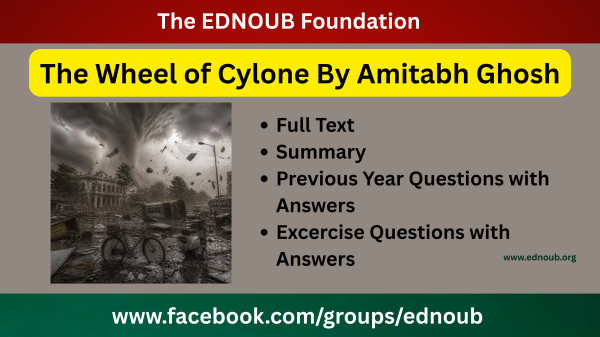

On the afternoon of March 17, 1978, the weather suddenly became strange in North Delhi. Normally, mid-March is a pleasant time of the year there. The cold of winter is gone, and the great heat of summer has not yet arrived. The sky is usually clear, and the monsoon is still far away. But that day, dark clouds suddenly appeared, followed by strong winds and rain. Then came an even greater surprise: a hailstorm.
At that time, I was studying for an MA at Delhi University and also working part-time as a journalist. When the hailstorm started, I was in a library. I had planned to stay there until late, but the unusual weather changed my mind. I decided to leave.

On my way back to my room, I suddenly decided to visit a friend. I changed my direction and went to his place. We were talking when the weather became worse. After a few minutes, I decided to return directly to my room by a road that I rarely used.
Just after passing a busy intersection called Maurice Nagar, I heard a strange rumbling sound above me. I looked over my shoulder and saw a grey, tube-shaped cloud forming under a dark cloud. It grew very quickly. Suddenly, it turned and came down towards the ground, moving straight in my direction.
There was a large administrative building across the street. I ran towards it and tried to enter through its glass doors. But the doors were closed. A small group of people was standing outside under the roof for shelter. There was no space for me, so I ran around to the front of the building.
There I saw a small balcony. I quickly climbed over the wall and crouched down on the floor.
The noise of the storm soon became extremely loud. The strong wind pulled hard at my clothes. I carefully looked over the balcony wall and was amazed to see that everything around me had become dark with a moving cloud of dust.
In the dim light, I saw many strange things flying through the air. Bicycles, scooters, lamp posts, sheets of corrugated iron and even whole tea stalls were being carried away by the powerful wind. For a moment, it seemed as if gravity itself had changed and everything was spinning like a huge wheel under the control of some unknown power.
I covered my head with my arms and lay still. A few moments later, the terrible noise stopped and an unusual silence followed.
When I finally came out of the balcony, I saw a terrible scene of destruction. I had neer seen anything like it before. Buses were lying upside down, scooters were hanging on the tops of trees, and walls had been torn away from buildings. The inside of some buildings could now be seen, and their ceiling fans had been twisted into strange, flower-like shapes.
The glass entrance where I had first tried to take shelter had been completely destroyed. The glass panes had broken into sharp pieces, and many people had been injured by them. Then I realised that I would also have been injured if I had stayed there. I had escaped the danger by moving away at the right moment.
I walked away in a state of shock.
Much later, I found a copy of the New Delhi edition of the Times of India published on March 18. I still have the photocopies I made of it. The main headline read:
“30 dead, 700 hurt as cyclone hits North Delhi.”
On March 17, 1978, a sudden and powerful cyclone hit North Delhi. The writer was returning to his room when he saw a huge, grey cloud coming towards him. He ran to a nearby building and took shelter on a small balcony. During the storm, bicycles, scooters, lamp posts and tea stalls were blown into the air. After the storm, he saw great destruction everywhere. Many people were injured by broken glass, but the writer was safe because he had moved away from the glass door. Later, he read in the newspaper that 30 people had died and 700 had been injured in the cyclone.

1. What did the cyclone’s noise signify in the story “The Wheel of Cyclone”?
Answer: The loud noise signified the frenzied and destructive power of nature. It made the writer feel as if an unknown, supreme power was spinning the world like a giant wheel.
2. How was the atmosphere before the storm began in “The Wheel of Cyclone”?
Answer: Before the storm, the weather in Delhi was very pleasant and clear because winter was over and summer had not yet started. However, the atmosphere suddenly changed when dark clouds and a surprise hailstorm appeared out of nowhere.
3. How does the writer narrate the atmosphere before the storm in ‘The Wheel of Cyclone’?
Answer: The writer explains that the weather took a sudden and unusual turn on a nice afternoon. He describes how the clear sky was quickly replaced by dark clouds, heavy rain, and falling ice.











Leave a Reply